For the Public: Dental Health Information
It is recommended that all children see the dentist by age 1. The benefits for your child include:
- Education for prevention of dental diseases
- Appropriate use of fluoride for your child
- Ways to prevent oral and facial accidents and trauma
- Prevention of orthodontic problems (due to oral habits)
- Teething and developmental milestones
- Patient of record for ease of obtaining future emergency care
The intended animation requires a newer version of Adobe Flash® Player. Please visit www.adobe.com to download the latest version.
Tips for Toddlers
Toothbrushing and Flossing
- Begin cleaning the teeth as soon as they erupt
- Do NOT start using a toothpaste with fluoride until your child can spit (why? –risk getting fluorosis=white and brown specks on the adult teeth)
- Discuss the use of a fluoride-free toothpaste for toddlers with your dentist
- Begin flossing as soon as any 2 teeth touch — especially after eating chicken or fibrous foods like apples or mangoes
- Parents need to supervise toothbrushing and flossing until your child can clean the dishes after supper or wash your car or near the age of 8
- Avoid juice and soda (they contain lots of sugar and acid)
- AAP Guidelines — no more than 4 ounces of sweet liquid per day for toddlers
- Avoid frequent sipping on sweet liquids
- Avoid sticky or dried fruit or fruit snacks (roll-ups or leathers)
- Avoid eating or drinking during the night (saliva is decreased at night)
- Avoid sour candies — Skittles, Starbursts (acid burns holes in teeth!)
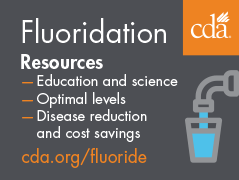
- Fluoride REMINERALIZES and protects the tooth from acid destruction
- Drink fluoridated bottled water if your water supply is NOT fluoridated
- Please note that BRITA water filters and filters attached to your faucet do NOT remove fluoride from the water
- Reverse osmosis filters (located under your sink) do remove fluoride
- The American Academy of Pediatrics recommends pacifier use in the first year of life to prevent Sudden Infant Death Syndrome (SIDS) AAP.org policy statement
- The goal is to encourage the cessation of digit sucking habits by age 5 before the permanent teeth begin to erupt to avoid crossbites or protrusive incisors
- Use positive reinforcement to help stop the habit
Direct causes of DEMINERIZATION (cavities)
- FREQUENT juice and/or snacks
- Sweet liquids such as juice or soda in a sippy cup or bottle
- Sticky foods (raisins, gummies — even gummy vitamins)
- Liquid medicine — contains 50% sugar
- GE Reflux — stomach acid on the teeth
- Parent with cavity history
- Tight or crowded teeth
- Tooth defects (soft or groovy teeth)
- Medical conditions (congenital heart disease or asthma)
- Inconsistent oral hygiene
- Tight lips (contributes to food holding and makes toothbrushing difficult)
- Inability to use tongue to naturally clean teeth (tongue-tied)
- Food holder or slow swallower
- Xerostomia (dry mouth)
First x-rays are needed:
- After a cavity develops or a dental injury occurs
- Child proof your home (ie. Remove sharp corners from coffee tables)
- Frenum tear (skin under upper lip) — Will bleed a lot! Keep head above the heart and put washcloth over tear to stop the bleeding. Rarely needs stitches.
- Concussion injury (bumped tooth) — Tooth may turn yellow or dark gray. Watch for abscess formation if the tooth is dark.
- Luxation (tooth pushed forward or backward) — Reposition the tooth ASAP!
- Intrusion (tooth pushed into the gum) — Allow tooth to re-erupt.
- Avulsion (tooth knocked out) — Locate tooth but do NOT replant a baby tooth.